Cultural perceptions of gambling how beliefs shape the game
Understanding Gambling Across Cultures
Gambling has been a significant part of human history, manifesting in various forms across different cultures. In some societies, gambling is viewed as a harmless pastime, a source of entertainment that fosters social interactions. However, in others, it may be seen as morally questionable or even harmful, reflecting deeper societal beliefs and values. Understanding these varying perceptions is crucial for comprehending how gambling practices differ globally, especially at bitcoin casinos, where players can explore new opportunities.

Cultural backgrounds heavily influence whether gambling is embraced or shunned. For instance, in many Western cultures, gambling is often associated with freedom and personal choice, highlighting individual rights. In contrast, in some Eastern societies, gambling may be associated with bad luck and misfortune, leading to a more cautious approach. These cultural beliefs shape not only the legality of gambling but also the types of games that are popular within each culture.
The Role of Religion in Gambling Perceptions
Religious beliefs play a significant role in shaping cultural attitudes towards gambling. In many religious frameworks, gambling is seen as an activity that can lead to moral decline or spiritual disarray. For example, in Christianity, gambling is often criticized for promoting greed and materialism, while in Islam, it is explicitly prohibited as haram, or forbidden. These religious teachings profoundly influence community standards and individual behaviors regarding gambling.
Conversely, some cultures integrate gambling into religious or celebratory practices, viewing it as a way to honor deities or commemorate significant events. For example, certain Native American tribes incorporate traditional gambling into their cultural rituals. Understanding these dynamics helps clarify why gambling is embraced in some communities while being rejected in others, revealing the intricate relationship between faith and leisure activities.
Economic Influences on Gambling Views
The perception of gambling is also intertwined with economic factors. In regions where economic opportunities are limited, gambling can be perceived as a potential escape from financial hardship. This belief can lead to the normalization of gambling as a means of making a living. Conversely, in wealthier societies, gambling may be viewed as a luxury or recreational activity, significantly affecting how it is marketed and consumed.
Moreover, the economic implications of gambling extend to its regulation and the revenue generated for communities. Regions that embrace gambling often capitalize on its economic benefits, promoting it as a source of employment and tourism. This pragmatic view can shift societal attitudes, leading to increased acceptance and integration of gambling into local culture, thereby altering traditional beliefs and practices surrounding the game.
Social Dynamics and Gambling Perception
Social dynamics significantly influence how gambling is perceived within various communities. Peer pressure, community attitudes, and social norms can either encourage or discourage participation in gambling activities. For instance, in social settings where gambling is a common leisure activity, individuals may feel compelled to participate, even if they have reservations about it.
Furthermore, the stigma surrounding gambling addiction can affect community perceptions. In cultures that emphasize personal responsibility, problem gambling may be blamed on the individual, leading to shame and reluctance to seek help. In contrast, communities that prioritize support and understanding may foster a more compassionate approach, encouraging those affected to seek assistance without fear of judgment. These social aspects play a crucial role in shaping an individual’s relationship with gambling.
Exploring the Online Gambling Landscape
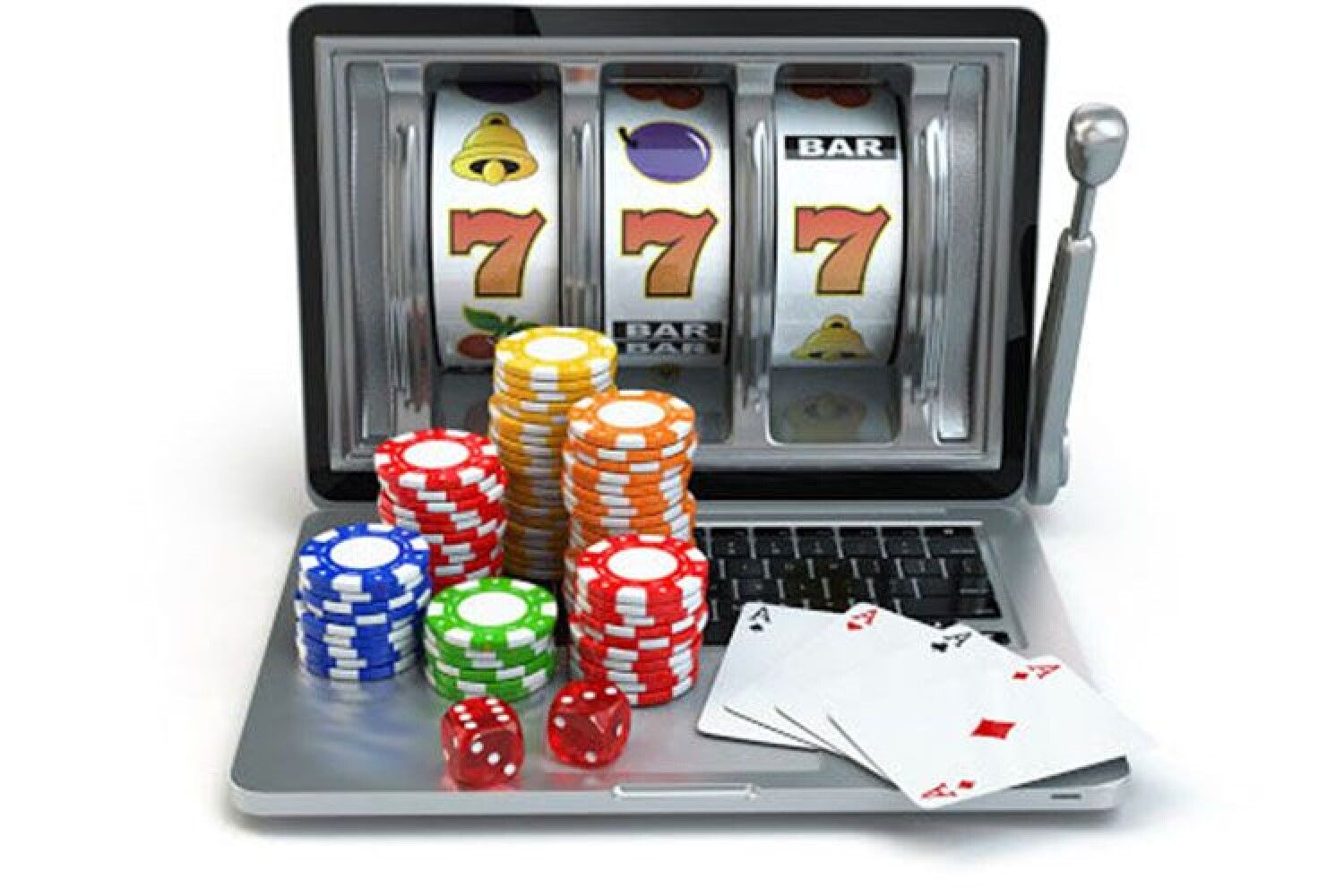
The rise of online gambling has transformed how people engage with games of chance, influenced by cultural perceptions. Digital platforms allow for a more expansive exploration of gambling experiences, attracting diverse players from various backgrounds. As the online environment becomes increasingly accessible, it reflects and reshapes cultural attitudes towards gambling.
Online casinos often strive to cater to the cultural preferences of their players, offering a variety of games that resonate with different beliefs and practices. This adaptability not only enhances user experience but also encourages a broader acceptance of gambling in societies where it may have once been frowned upon. As cultural perceptions evolve, the online gambling landscape will continue to play a pivotal role in redefining how people view and participate in games of chance.
