Exploring the cultural significance of casinos in modern society
The Evolution of Casinos Through History
Casinos have transformed significantly from their early origins in ancient civilizations to the modern establishments we recognize today. Initially, games of chance were used primarily for entertainment and social bonding in various cultures, particularly in Europe and Asia. These primitive forms of gambling have evolved into sophisticated institutions, reflecting the broader cultural and economic shifts of their respective eras. The rise of gaming during the Renaissance laid the groundwork for the formal casinos we see now, highlighting societal changes regarding leisure and vice. For those seeking excitement, online pokies australia offer a modern twist on traditional gaming experiences.
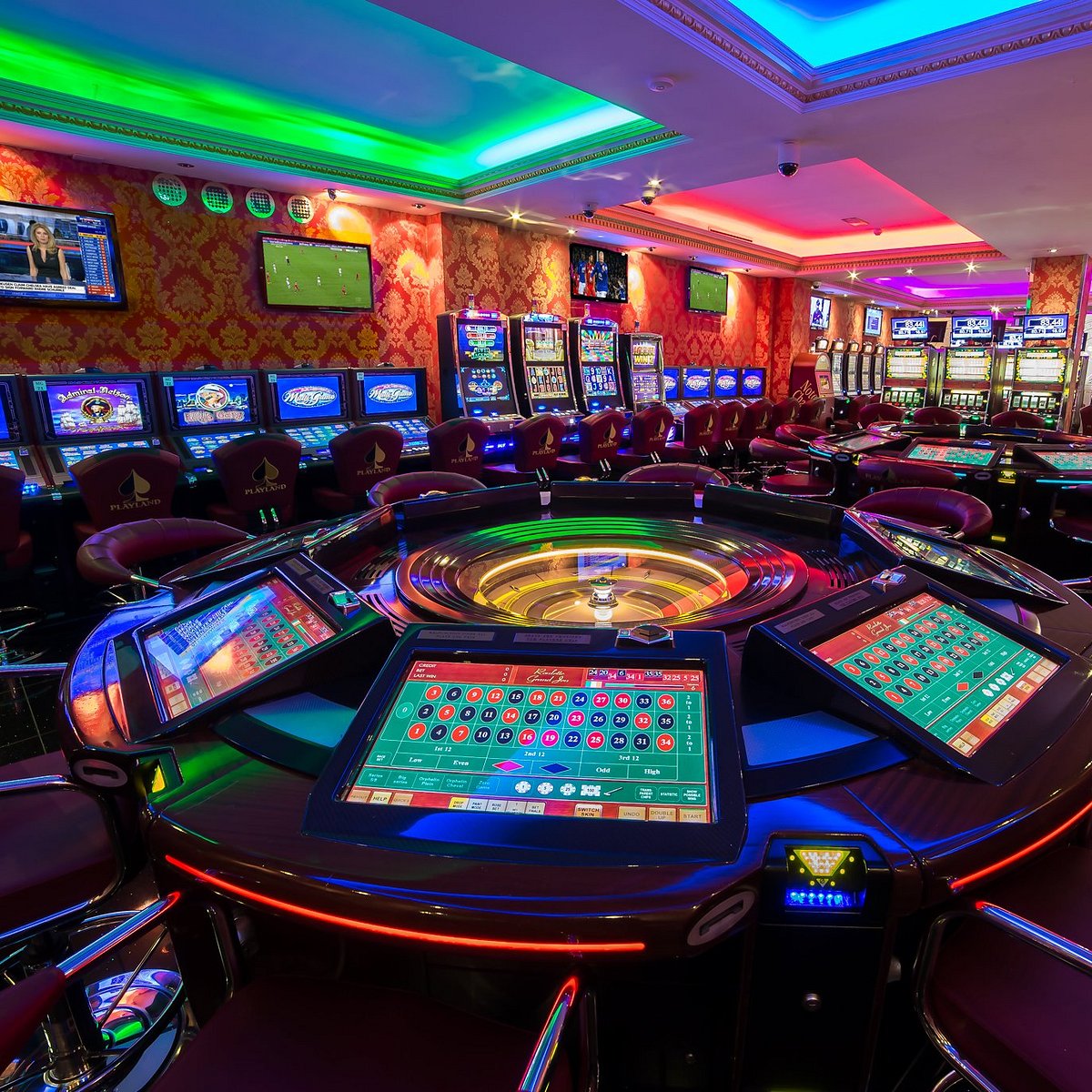
As casinos developed, they became emblematic of luxury and wealth, often situated in glamorous locations like Monte Carlo and Las Vegas. In the 20th century, the establishment of these gaming hubs not only transformed local economies but also shifted public perceptions about gambling. As a form of entertainment, casinos now appeal to diverse demographics, from high rollers to casual visitors, illustrating their growing acceptance in mainstream culture.
The modern casino has also integrated technology, such as online gaming and mobile applications, further broadening its appeal. The shift from traditional brick-and-mortar establishments to digital platforms has made gambling more accessible, reflecting our fast-paced, technology-driven society. This evolution signifies how deeply embedded casinos have become in our social fabric, embodying both opportunity and risk in contemporary life.
Casinos as Social Hubs
In contemporary society, casinos have evolved into multifaceted social environments, serving purposes that extend beyond gambling. They often function as entertainment venues that host concerts, theatrical performances, and fine dining experiences, drawing in individuals who may not even gamble. This transformation has positioned casinos as community centers, bringing people together from various backgrounds, fostering connections, and promoting social interaction.
The layout and ambiance of casinos encourage mingling and entertainment, making them popular choices for social gatherings, celebrations, and corporate events. Many casinos have expanded their offerings to include hotels, spas, and shopping, creating an all-encompassing experience for visitors. This multifaceted approach not only enhances the appeal of casinos but also supports local economies by generating employment and tourism revenue.
Furthermore, the social dynamics within casinos also mirror larger societal trends. As norms around gambling continue to evolve, these venues are increasingly embracing responsible gaming initiatives, offering resources and support for individuals who may struggle with addiction. By fostering a more inclusive and responsible gambling culture, casinos can serve as vital community spaces, encouraging healthy social interaction and entertainment.
The Economic Impact of Casinos
The economic impact of casinos cannot be overstated; they play a significant role in local and national economies. From job creation to increased tourism, casinos contribute substantially to the financial landscape of their regions. In many cases, casinos generate considerable tax revenue, which local governments can utilize for public services such as education, infrastructure, and healthcare, highlighting the intertwined relationship between gaming and community welfare.
Moreover, the rise of casinos has prompted a surge in related industries, such as hospitality, transportation, and retail. As tourism flourishes around gaming establishments, communities often see benefits that extend far beyond the casino itself. Local businesses, restaurants, and attractions can thrive due to the influx of visitors, effectively revitalizing entire neighborhoods and promoting sustainable economic growth.
Additionally, the establishment of casinos has sparked conversations about the potential societal costs associated with gambling. While the economic benefits are evident, concerns regarding gambling addiction, crime rates, and the impact on local culture must also be acknowledged. The challenge lies in balancing these economic benefits with the potential social repercussions, requiring ongoing dialogue and collaboration among stakeholders.
Cultural Perceptions and Representations of Casinos
Casinos occupy a complex place in cultural narratives, often depicted in films, literature, and art as glamorous and seductive locales. This representation contributes to the mystique surrounding casinos, shaping public perceptions and attitudes toward gambling. Movies like “Casino Royale” or “The Hangover” illustrate the allure and excitement of casino life while also critiquing the darker undercurrents associated with gambling.
Furthermore, the cultural significance of casinos extends to regional identities, with specific styles and themes resonating deeply with local traditions. For instance, Las Vegas is often portrayed as a city of excess, embodying the American Dream’s dichotomy of wealth and despair. Such representations encourage critical discussions about the role of casinos in modern society, emphasizing how they reflect and challenge societal values.
As popular culture continues to evolve, so do the narratives surrounding casinos. With increasing awareness of responsible gambling and addiction issues, new representations may emerge that focus on healthier relationships with gaming. This shift could lead to more nuanced portrayals of casinos, highlighting their potential as social spaces while addressing the complexities and responsibilities that come with them.

Conclusion: The Future of Casinos in Society
The cultural significance of casinos in modern society is multifaceted, encompassing their evolution, social impact, economic contributions, and cultural representations. As these institutions continue to adapt to changing societal norms and technological advancements, their roles will inevitably shift. Embracing responsible gaming initiatives and enhancing community engagement will be pivotal in ensuring that casinos remain vital components of social life.
Looking ahead, the relationship between casinos and society will likely reflect ongoing cultural and economic changes. By fostering inclusive environments and acknowledging both the benefits and risks associated with gambling, casinos can navigate the future responsibly. This evolution will not only shape the gaming industry but will also influence broader societal perspectives on leisure, entertainment, and community.
