The Thrill of Uncertainty
One of the main psychological drivers behind casino gambling is the thrill of uncertainty. Players are often drawn to the unpredictability of games like slots, blackjack, and roulette, where the outcome is not predetermined. This uncertainty activates the brain’s reward system, releasing dopamine—a neurotransmitter associated with pleasure and satisfaction. Engaging with a sports betting app can elevate this experience, as each spin of a slot machine or shuffle of cards can evoke a rush of excitement, creating an adrenaline-fueled experience.
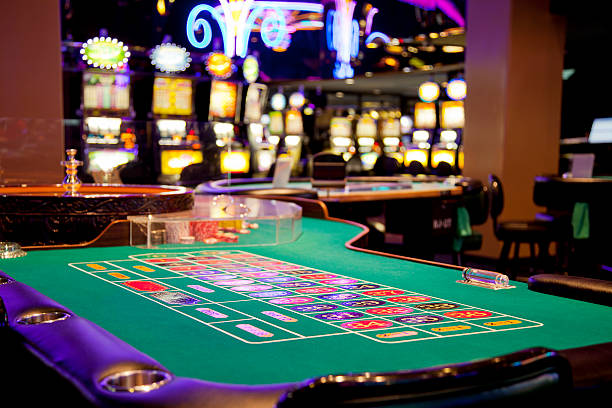
This emotional high can lead to a phenomenon known as “risk-seeking behavior.” Many players may find the risks involved in gambling exhilarating, as the potential for big wins can overshadow the actual likelihood of losing. This combination of thrill and the possibility of instant gratification keeps gamers returning to the casino, seeking that elusive jackpot.
The Role of Social Interaction
Another significant aspect of gambling psychology is the social environment of casinos. Many individuals find enjoyment in the communal experience of gaming with others. The social interaction inherent in games like poker, where players must read each other’s behaviors, adds a layer of complexity that can be stimulating and engaging. These social dynamics can make the experience more enjoyable and lead individuals to gamble more frequently.
Furthermore, the camaraderie formed around gambling can foster a sense of belonging. Casinos often create a vibrant atmosphere filled with laughter, cheers, and excitement, which can enhance the overall experience. This social aspect can lead individuals to return to casinos not just for the games, but for the relationships and interactions that come with them, reinforcing their engagement with gambling.
The Allure of Escape
For many people, casino gambling serves as a form of escape from daily stressors and responsibilities. The immersive environment of a casino can transport players into a different world, one filled with lights, sounds, and the promise of fortune. This escapism provides a temporary refuge from reality, allowing individuals to forget their troubles and focus solely on the game at hand.
Moreover, this escape can be particularly appealing for those experiencing anxiety or depression. The distraction offered by gambling can momentarily alleviate negative feelings and provide a sense of control. However, while this may offer short-term relief, it can lead to problematic behaviors if gambling becomes the primary coping mechanism for underlying issues.
The Influence of Cognitive Biases
Cognitive biases play a crucial role in how individuals engage with casino gambling. One common bias is the “gambler’s fallacy,” where players believe that past outcomes can influence future events. For instance, someone might think that after a series of losses, they are “due” for a win. This misconception can lead to irrational decision-making and increased gambling activity.
Additionally, the illusion of control is a prevalent cognitive bias where players mistakenly believe they can influence the outcome of random games. This belief can be particularly strong in games that involve skill, such as poker, leading individuals to engage in gambling behavior that may not align with reality. These biases can perpetuate gambling habits, often resulting in increased time and money spent in casinos.
Ensuring a Safe Gambling Experience
While exploring the psychology behind casino gambling offers insights into why individuals engage in this activity, it is crucial to approach gambling responsibly. The thrill, social interaction, escapism, and cognitive biases can easily lead to problematic behaviors. It is essential for players to be aware of their limits and to recognize when gambling becomes detrimental to their lives.
As you navigate the world of casinos, prioritizing safety and responsible gaming practices will ensure a more enjoyable experience. Engaging with resources that promote responsible gambling can help mitigate the risks associated with the psychology of gambling, allowing individuals to enjoy the excitement while maintaining control over their behaviors.
